The Ultimate Vocal Tracking Checklist
February 4, 2026 · 4 min read
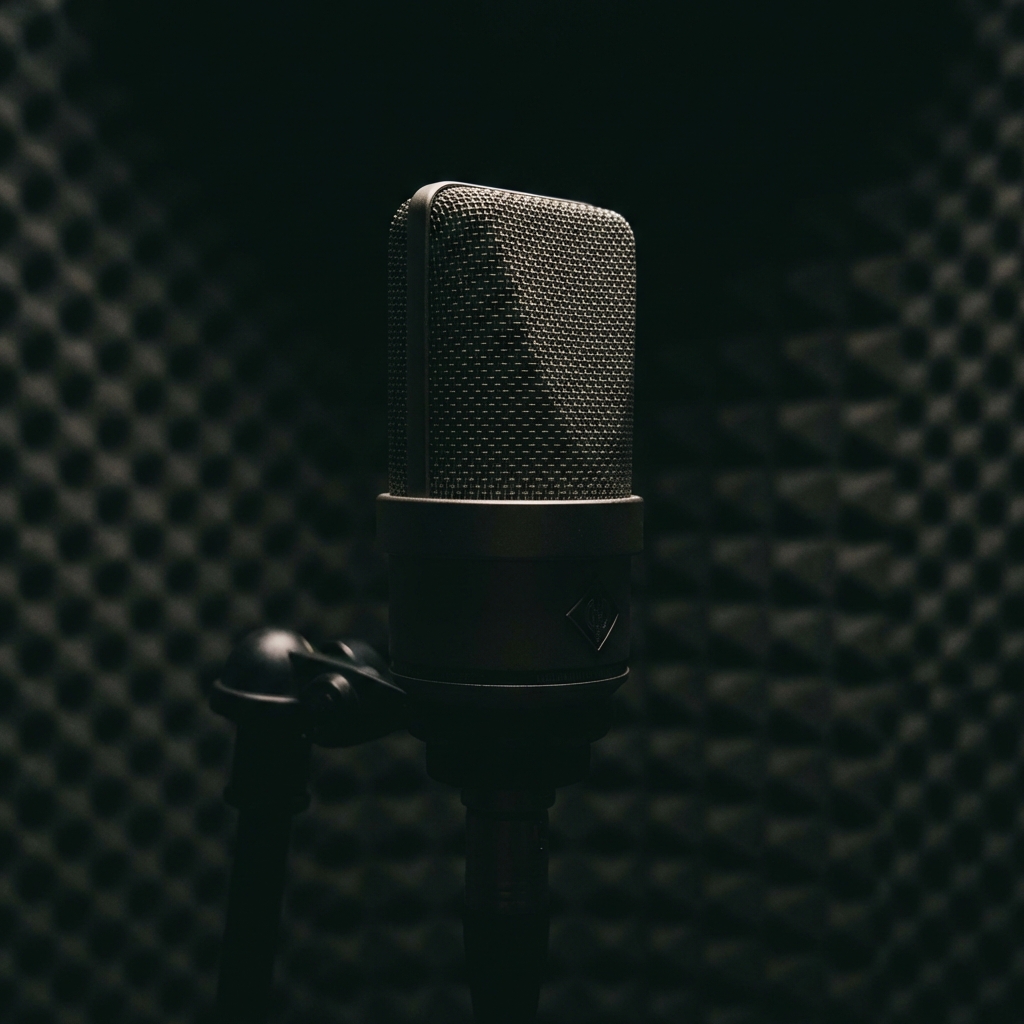
Recording at home doesn't mean you have to sound like you recorded in a bedroom. I've mixed hundreds of home recordings, and 90% of the issues I fix could have been solved before hitting record.
1. Reduce Room Reflection (The "Closet Trick")
The biggest enemy of a clean vocal is "room tone" - that boxy, echoey sound. If you don't have acoustic panels:
- Record in a closet full of clothes: The clothes act as absorption.
- Hang thick blankets behind you: Not just behind the mic, but behind *you*. The mic picks up what's in front of it (you), but also the reflections bouncing off the wall behind your head.
2. Mic Placement & Distance
Distance: Stay about 6-8 inches from the mic. Too close = muddy/boomy (proximity effect). Too far = thin/echoey.
Pop Filter: Essential. Place it 2-3 inches from the mic capsule.
3. Gain Staging (Don't Redline!)
Digital clipping ruins a take instantly. It cannot be fixed in the mix.
The Golden Rule: Aim for your loudest peaks to hit around -12dB to -6dB on your DAW's meter. You do NOT need to hit 0dB. We can turn it up later, but we can't un-clip it.
4. Check Headphone Bleed
If your beat is loud in your headphones, the mic will record it. This causes phasing issues when we mix. Turn your headphones down until you can just hear enough to perform. Closed-back headphones are mandatory.
5. Commit to the Vibe
A technically perfect recording with zero emotion is boring. A slightly imperfect recording with 100% conviction is a hit. Once your levels are set, forget the tech and perform.
Ready to Mix?
Once you've got clean stems, don't let a bad mix ruin a great performance. Send your tracks over and let's polish them into a record.